
Anxiety Therapy in Dallas, Houston and Across Texas
Support that helps you feel more grounded, clear, and in control.
Anxiety can make everyday life feel louder than it should be: racing thoughts, constant tension, trouble sleeping, or a sense that something is always "off" in the background. You don't have to manage that alone.
ThinkSpot Therapy provides evidence-based anxiety therapy for adults in the Dallas area, in Houston, and online across Texas. Most major insurance accepted, and no waitlist.
Licensed Texas Therapists
Most Insurance and EAPs Accepted
No Waitlist
Online or in person
A space that feels safe and judgment-free
You don’t need to arrive with the “right words” or a clear explanation. Many people begin therapy simply knowing something doesn’t feel right.
We meet you where you are, at your pace, without pressure or judgment.
If anxiety has been taking up too much space in your life, therapy can help you take that space back.
How Anxiety Actually Shows Up
Anxiety is not always obvious, and it does not always feel like worry.
In your body. A tight chest, a churning stomach, tension across your shoulders and jaw, trouble falling asleep or waking at three in the morning with your mind already going. Some people notice the physical symptoms long before they connect them to anxiety.
In your thinking. Running through conversations afterwards, planning for outcomes that have not happened, a background hum of something being wrong that you cannot locate, or difficulty concentrating because part of your attention is always elsewhere.
In what you do. Avoiding phone calls. Putting off decisions that should be simple. Over-preparing for things that do not need it. Saying yes when you meant no because the conversation felt harder than the commitment.
In how you come across. Anxiety often looks like irritability, being short with the people closest to you, or seeming distracted. Plenty of people are told they seem fine while finding each day much harder than it looks.
If you are reading this and wondering whether what you have is bad enough to be worth doing something about, that question is itself one of the most common things anxious people ask.
You do not need a diagnosis or a crisis to benefit from therapy.
Finding it harder than you think you should is reason enough.
Sessions are collaborative. We don't just talk about anxiety, we work on it together in a structured, supportive way.
How We Work With Anxiety
Emotional regulation and stress management skills. Practical tools for managing what comes up between sessions, not just in them.
Cognitive Behavioral Therapy (CBT). Identifying the thought patterns that keep anxiety running and learning to interrupt them. One of the most researched approaches for anxiety.
Mindfulness-based strategies. Reducing reactivity and getting back into the present moment rather than the anticipated one.
Somatic awareness techniques. Working with the physical side of anxiety, since the body often needs settling before the thinking does.
Exposure-based approaches. Where avoidance has been feeding the fear, gradually and at your pace, never faster than you are ready for.
Your therapist will draw on whichever of these fits you, and our clinicians stay, so you build the work with one person rather than starting again with someone new.
Generalized anxiety and chronic worry. Worry that moves from one thing to the next and never quite settles, often about things you know rationally are fine.
Panic attacks. Sudden episodes of intense fear with physical symptoms, often followed by anxiety about the next one happening.
Social anxiety. Fear of judgment in social or work situations, and the avoidance that tends to build around it.
Health anxiety. Persistent worry about illness, checking symptoms, or difficulty being reassured by test results.
Stress-related burnout. The point where sustained pressure at work or at home stops being manageable.
Sleep difficulties linked to anxious thoughts. Trouble falling asleep, or waking in the night with your mind already running.
Concentration difficulties and mental overwhelm. Struggling to focus or hold things in mind because so much attention is going elsewhere.
Types of Anxiety We Work With
Anxiety often sits alongside low mood. Where that is the case, we work with both. Read about depression therapy.
Anxiety Therapy in the Dallas Area
Our Plano office serves clients across the Dallas area, including Frisco, Carrollton, Richardson and North Dallas.
6275 W Plano Pkwy, Ste 500, Plano, TX 75093
Monday - Friday 8AM - 8PM | By Appointment Only | (469) 701-0443 | Free on-site parking
In-person sessions run 53-60 minutes, with the same therapists and the same approach as our online sessions. If getting to an office is difficult on a particular week, you can switch to video and back again without changing therapist.
Anxiety Therapy in Houston
Our Houston office serves the Uptown and Galleria area and greater Houston.
5718 Westheimer Rd, Suite 1000, Houston, TX 77057
Monday - Friday 8AM - 8PM | By Appointment Only | (469) 701-0443 | Free on-site parking
We know Houston traffic can be heavy, especially during rush hour. You can work with your therapist to include telehealth options alongside in-person sessions.
Online Anxiety Therapy Anywhere in Texas
We see clients by video across the whole state, including Austin, San Antonio, Fort Worth and El Paso.
For some people online sessions are simply more convenient. For others they are what makes starting possible at all. If anxiety makes leaving the house, driving somewhere new or meeting a stranger in an unfamiliar room feel like too much, beginning from home is a completely legitimate way in. Some clients move to in-person sessions later. Others never do, and get just as much from it.
Sessions run the same length as in-person appointments and are covered by most insurance plans at the same rate.
Therapists Who Work With Anxiety
Every therapist here is licensed in Texas. These clinicians work with anxiety regularly, and we match you based on what you are dealing with rather than on who happens to be free.
-
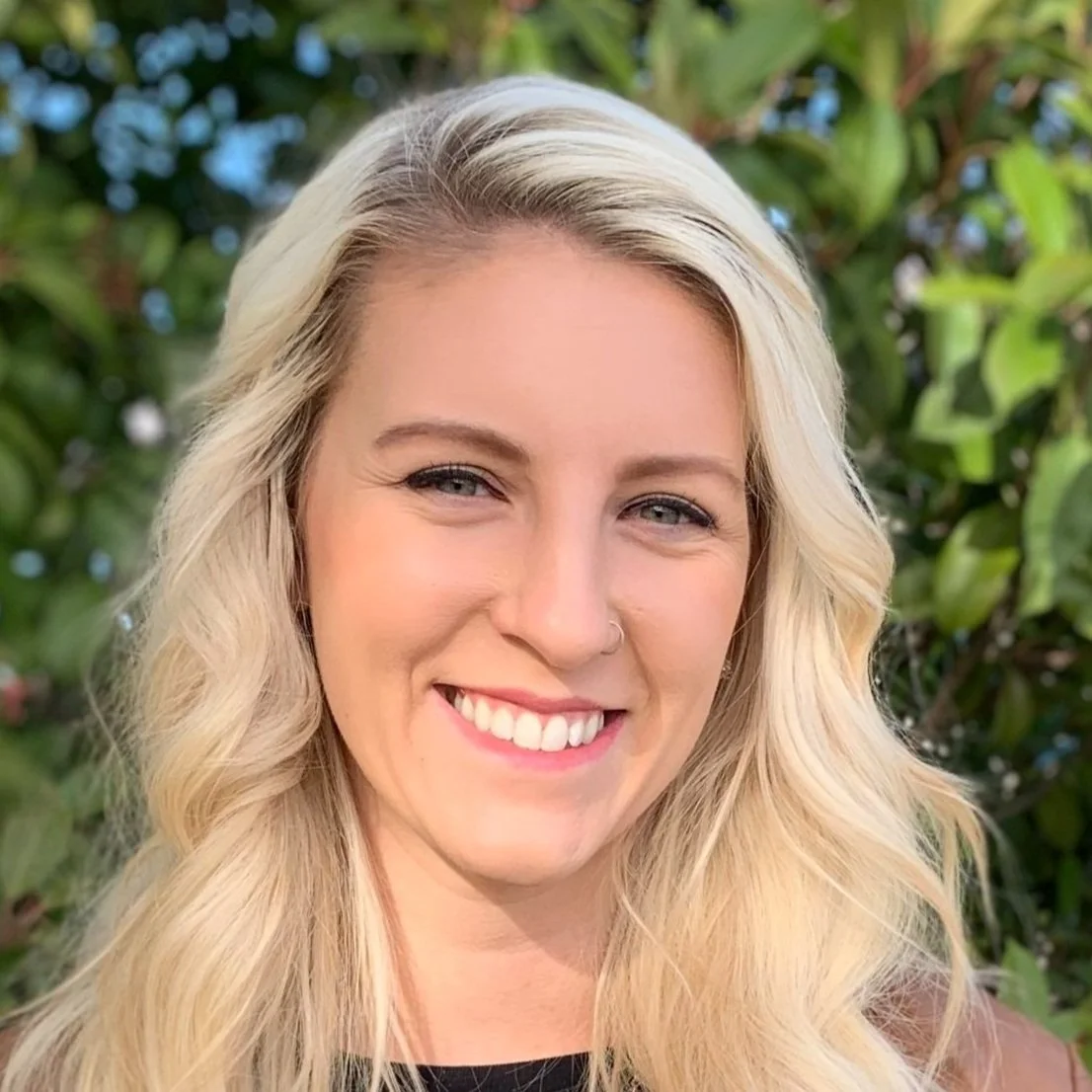
Kelsey Royston
ThinkSpot Team Lead
Licensed Professional Counselor- Supervisor
Texas #78870
-

Evelyn Gonzalez
ThinkSpot Therapist
Licensed Professional Counselor
Texas #81936
-

Tiffany Huddleston
ThinkSpot Therapist
Licensed Clinical Social Worker
Texas #41282
-

Scott Slyter
ThinkSpot Therapist
Licensed Professional Counselor
Texas #71613
-

Imelda Vasquez
ThinkSpot Therapist
Licensed Professional Counselor
Texas #74344
-

Emely Zuniga
ThinkSpot Therapist
Licensed Professional Counselor
Texas #87260
What Anxiety Therapy Costs
With most insurance plans you pay only your copay. Self-pay sessions are $75.00 - $166.00, and we offer payment plans and discounted rates where they are needed.
We accept most major insurance plans and Employee Assistance Programs, and we verify your benefits before your first session. You will receive a Good Faith Estimate before your first appointment.
Plans we Accept:
Aetna
Blue Cross Blue Shield (BCBS)
Curative
Cigna
ComPsych
Magellan
Medicare
Optum United Healthcare
Using an EAP:
Many employers offer a set number of counseling sessions at no cost to you. If you have an EAP benefit, let us know when you book and we will handle the paperwork with your provider.
If you are paying privately:
We offer payment plans and discounted rates where they are needed. You will receive a Good Faith Estimate before your first appointment setting out what your care will cost.
Starting Anxiety Therapy
-
1. Book online or call.
Whichever feels easier. Booking online takes a few minutes and there is nobody to speak to.
-
2. Complete your intake forms.
Short, and you can leave anything you would rather discuss in person.
-
3. We verify your insurance.
You will know what sessions cost before you attend.
-
4. We match you with a therapist.
Based on what you are dealing with.
-
5. Attend your first session.
Online or in person. Most clients are seen within a week.
You are not committing to anything beyond the first session.

Frequently Asked Questions
-
Look for a therapist licensed in Texas with specific experience in anxiety, who accepts your insurance and has availability. At ThinkSpot we match you with a clinician based on what you are dealing with, and we have no waitlist, so most clients are seen within a week.
-
With most insurance plans you pay only your copay. Self-pay sessions are $75.00-$166.00. We accept most major plans and Employee Assistance Programs, and we offer payment plans where they are needed. We verify your benefits before your first appointment.
-
Cognitive Behavioral Therapy has the strongest research base for anxiety, and it is often combined with mindfulness-based approaches, somatic work and, where avoidance has built up, gradual exposure. Your therapist will draw on whichever fits your situation rather than applying a fixed program.
-
Many people notice a difference within six to eight sessions, though it depends on what you are working with and how long it has been going on. Most start weekly and move to every other week as things improve. There is no minimum commitment.
-
No. Plenty of people come to therapy without a diagnosis, and without being sure that what they have counts as anxiety. Finding daily life harder than you think it should be is reason enough to book.
-
Yes. We offer video sessions across the whole of Texas with the same licensed therapists and the same approach. For some people whose anxiety makes leaving the house or meeting someone new difficult, starting online is what makes therapy possible at all.
-
Yes. Panic responds well to therapy, particularly approaches that address both the physical symptoms and the fear of the next attack. Much of the work involves reducing the anxiety about panic itself, which is often what keeps the cycle going.
-
Not necessarily. Many people improve with therapy alone. For some, a combination works better. Our psychiatric provider works alongside our therapists, so if medication is worth considering you can explore it without an outside referral. Read about psychiatry and medication management.
-
Mostly your therapist listening. They will ask what has been happening, how long it has been going on, and what you would like to be different. You do not need to have it worked out beforehand, and you will not be asked to talk about anything you are not ready for.
-
Yes, in most cases. Anxiety is a recognized condition and most major plans cover treatment for it, including online sessions at the same rate as in-person visits. We verify your specific benefits before your first appointment so you know what to expect.